Glaucoma: The Silent Thief of Sight — What You Need to Know
Glaucoma causes permanent vision loss without warning. Over 12 million Indians are affected — most without knowing. Here is what to watch for.
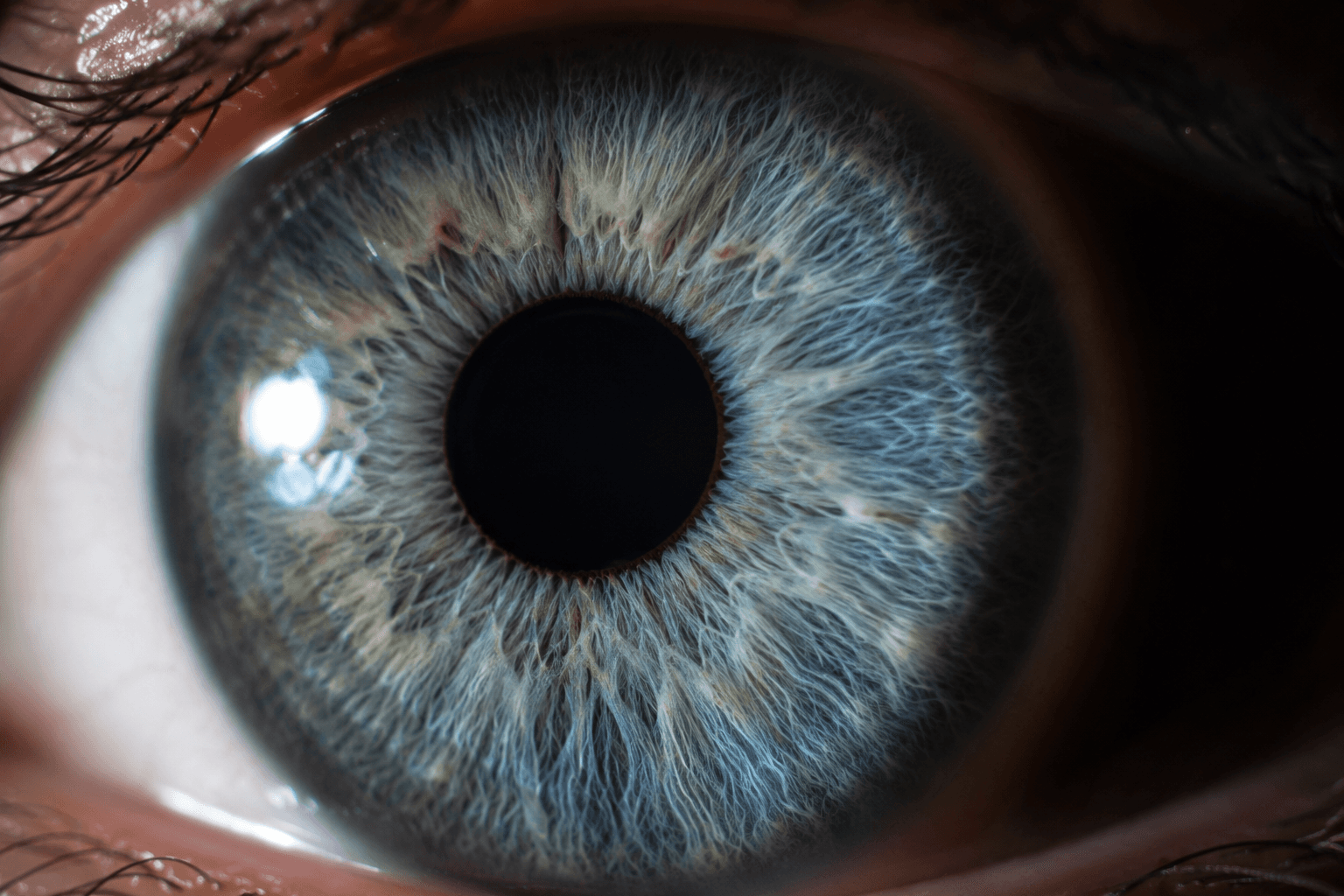
Glaucoma is called the silent thief of sight for a reason. By the time most patients notice something is wrong, they have already lost a significant portion of their peripheral vision — and that vision cannot come back. India has over 12 million glaucoma patients, making it the second leading cause of blindness in the country. Yet the disease is entirely manageable when caught early.
What glaucoma actually is
Glaucoma is a group of conditions where the optic nerve — which carries visual signals from the eye to the brain — gets progressively damaged. In most cases, this damage is caused by elevated pressure inside the eye (intraocular pressure), though some people develop glaucoma even with normal pressure. The damage is irreversible, which is why early detection is everything.
Why you may not notice it until late
The most common type, open-angle glaucoma, causes no pain and no obvious vision changes in its early stages. It affects peripheral (side) vision first — an area your brain compensates for automatically. By the time central vision blurs, up to 40% of the optic nerve may already be damaged. This is what makes annual eye checks so important even when your vision seems fine.
Risk factors that raise your chances significantly
Family history of glaucoma increases your risk 4–9 times. People over 60, those with high myopia (strong glasses), diabetics, and people of South Asian or African ancestry are at higher risk. Long-term use of steroid eye drops or oral steroids can also elevate eye pressure and trigger glaucoma — something patients on steroids for other conditions should be aware of.
Warning signs to take seriously
Gradual narrowing of your visual field. Halos around lights at night. Eye redness accompanied by headache and nausea (this is acute angle-closure glaucoma — a medical emergency). Blurred vision in one eye. If you experience sudden severe eye pain with vision change, do not wait — this needs immediate attention.
How glaucoma is treated
Glaucoma cannot be cured but it can be controlled. Eye drops to reduce intraocular pressure are the first-line treatment and are highly effective when used consistently. Laser therapy (SLT — Selective Laser Trabeculoplasty) is a quick, painless procedure that improves fluid drainage and reduces pressure. In advanced cases, surgery to create a new drainage channel is an option. The goal of all treatment is to preserve the vision you still have — not to restore what is lost.
“We can stop glaucoma from progressing almost entirely with early diagnosis and consistent treatment. What we cannot do is give back vision that was lost before a patient came in.”