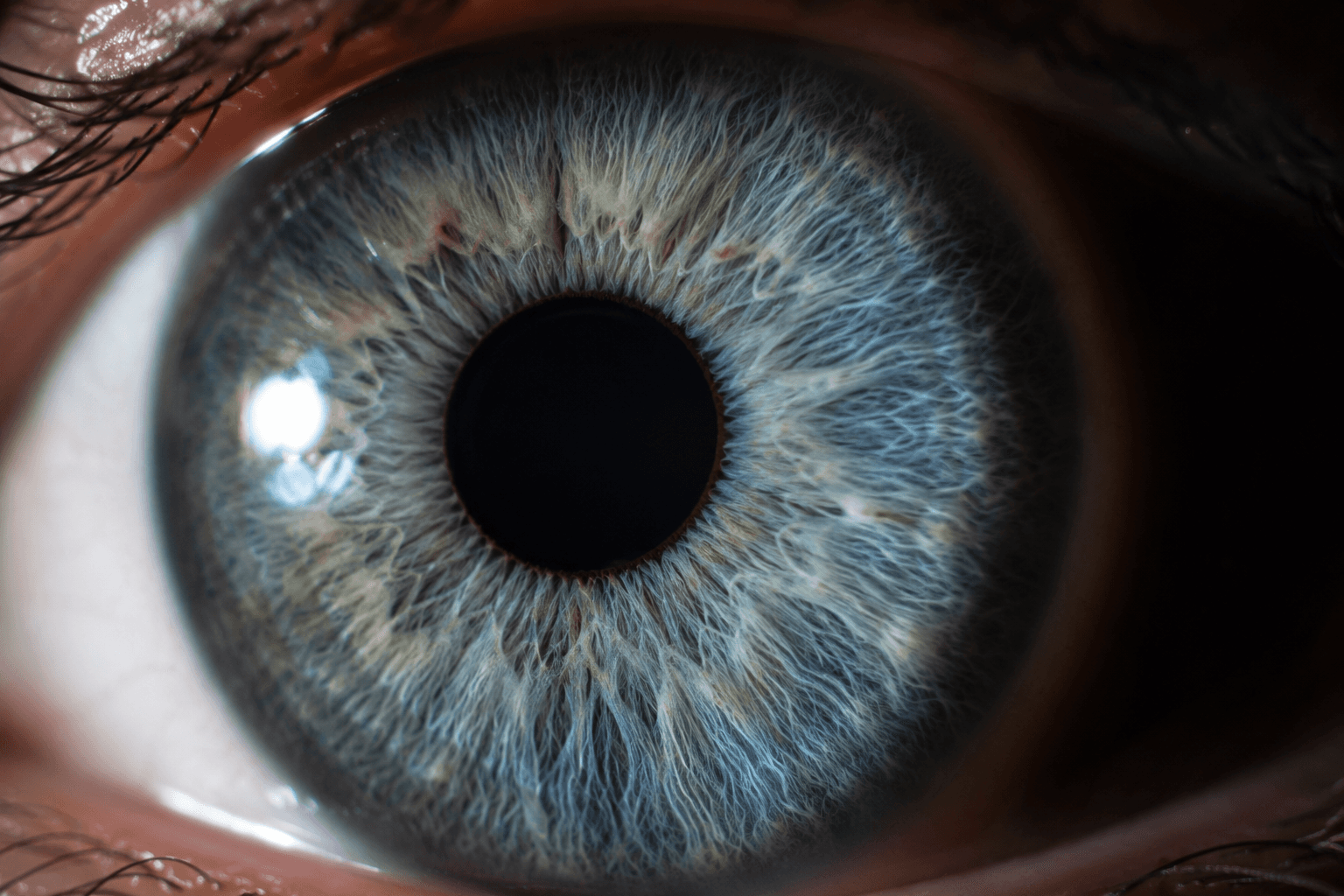
Computer Vision Syndrome: Why Your Eyes Hurt After Screens
If your eyes burn, blur, or ache after hours on a screen, you are not imagining it. Digital eye strain affects over 70% of users — and it is very fixable.
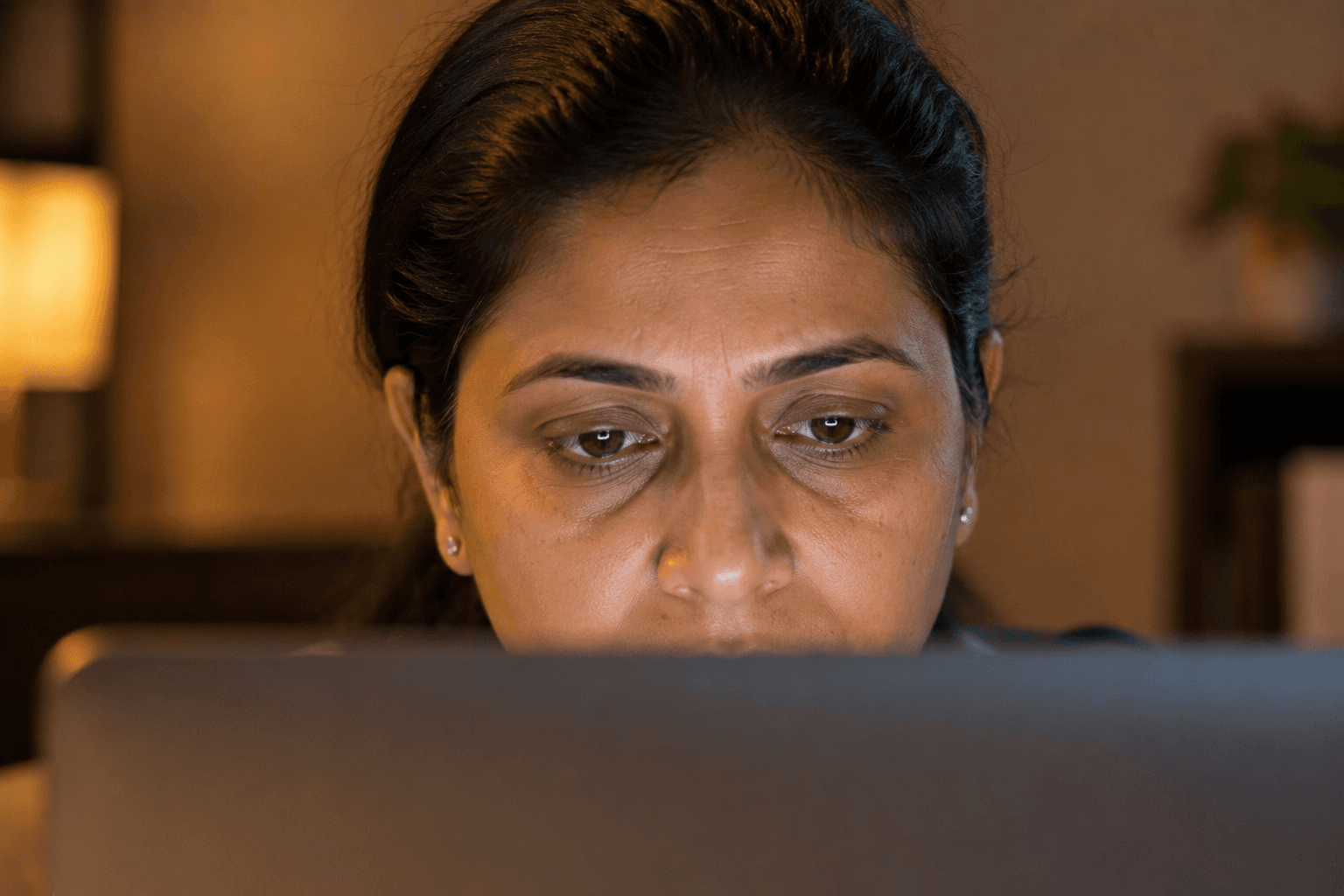
Computer Vision Syndrome (CVS) — also called Digital Eye Strain — has become one of the most common complaints we see, particularly since remote work and online classes became part of everyday life. A survey in India found that 37% of urban screen users had dry eyes from averaging 6–8 hours of daily screen time. The condition is almost entirely preventable.
Why screens affect your eyes differently
When you look at a screen, you blink far less than normal — typically 5 times a minute instead of the usual 15–20. This causes the tear film on your eye to dry out. Add to that the constant near-focus demand, screen glare, and poor room lighting, and the visual system is under sustained stress for hours. Digital text also has lower contrast than printed text, making the eye work harder to stay focused.
Symptoms that tell you CVS is the cause
Eye fatigue, burning or stinging, blurred vision that clears when you look away, headaches behind the eyes or at the temples, dry or watery eyes, and neck and shoulder stiffness are the most common signs. Symptoms that only appear after screen use and ease on rest are almost always digital eye strain — not a more serious condition.
The 20-20-20 rule — and why it works
Every 20 minutes, look at something 20 feet away for 20 seconds. This breaks the sustained near-focus cycle, gives the ciliary muscles inside the eye a rest, and encourages normal blinking. It takes about 4 seconds of conscious effort to build into a habit that significantly reduces end-of-day eye fatigue.
Practical changes that make a real difference
Position your screen so the top of the monitor is at or slightly below eye level, and at arm's length away. Reduce screen brightness to match your room — a screen that seems to glow compared to its surroundings is too bright. Use an anti-glare screen protector if your workspace has direct light sources. Lubricating eye drops (artificial tears without preservatives) used 2–3 times a day restore the tear film and provide immediate relief.
When to get your eyes checked
If symptoms persist despite these changes, or if you notice blurred vision that does not clear, it is worth a comprehensive eye check. Sometimes an uncorrected or under-corrected refractive error (a prescription that needs updating) is what is driving the strain. We can also assess whether blue-light filtering lenses or specialised computer glasses would help for your specific situation.
“Most patients with digital eye strain have never been told that their screen position alone could be causing most of the problem. Simple ergonomic changes, before any medication, solve it in the majority of cases.”
Comprehensive eye assessments including dry eye evaluation, refractive testing, and screen-use counselling.