ACL Tear: What It Means and Your Treatment Options
A popping sound, sudden giving way, and swelling — an ACL tear is one of the most common sports injuries. Here is what happens next and what your choices are.
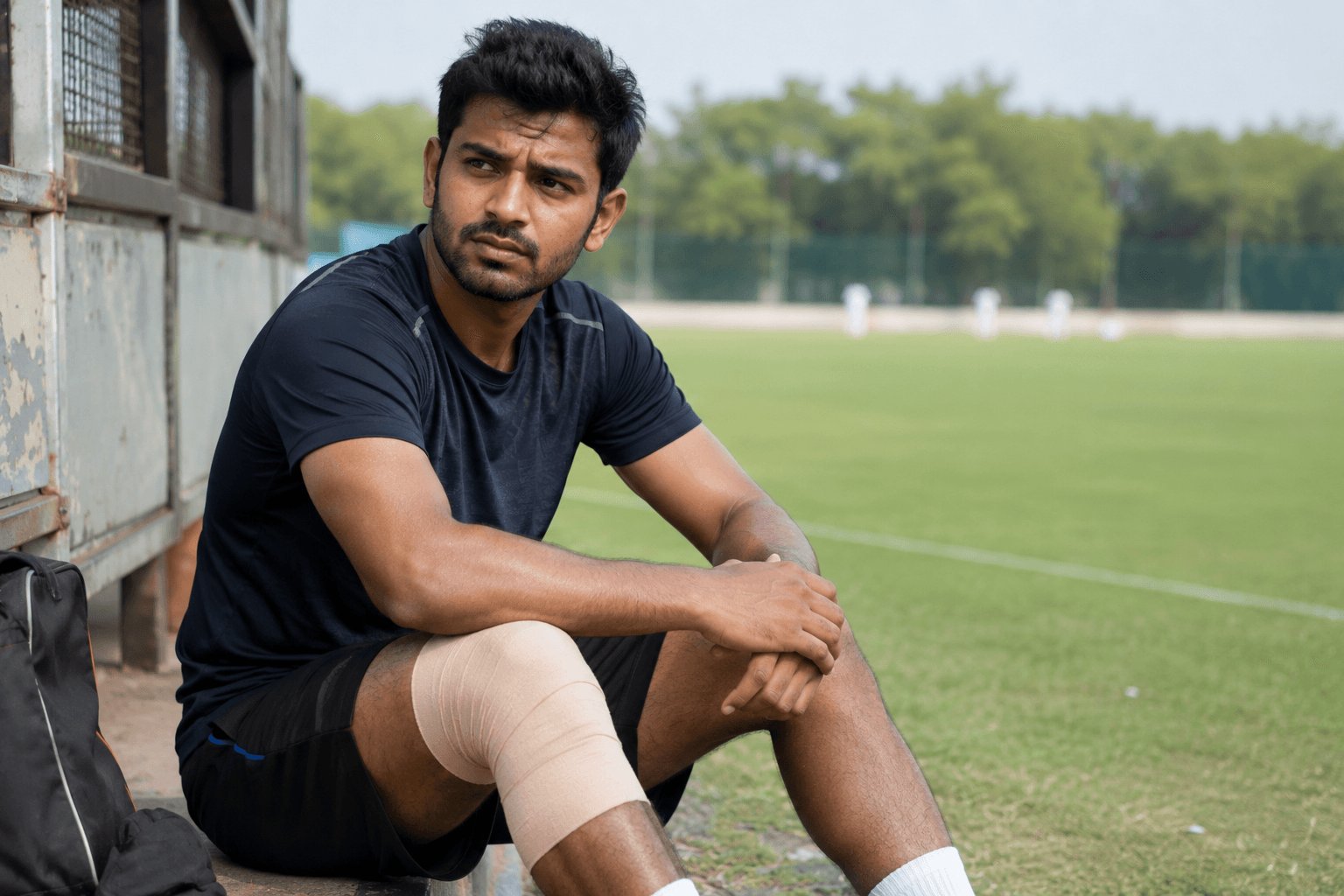
The anterior cruciate ligament (ACL) is one of the main stabilising ligaments of the knee. Tears are most common in sports that involve sudden direction changes — cricket, football, kabaddi, and badminton being the most frequent in India. The injury sounds dramatic, but outcomes with the right treatment are very good.
What an ACL tear actually feels like
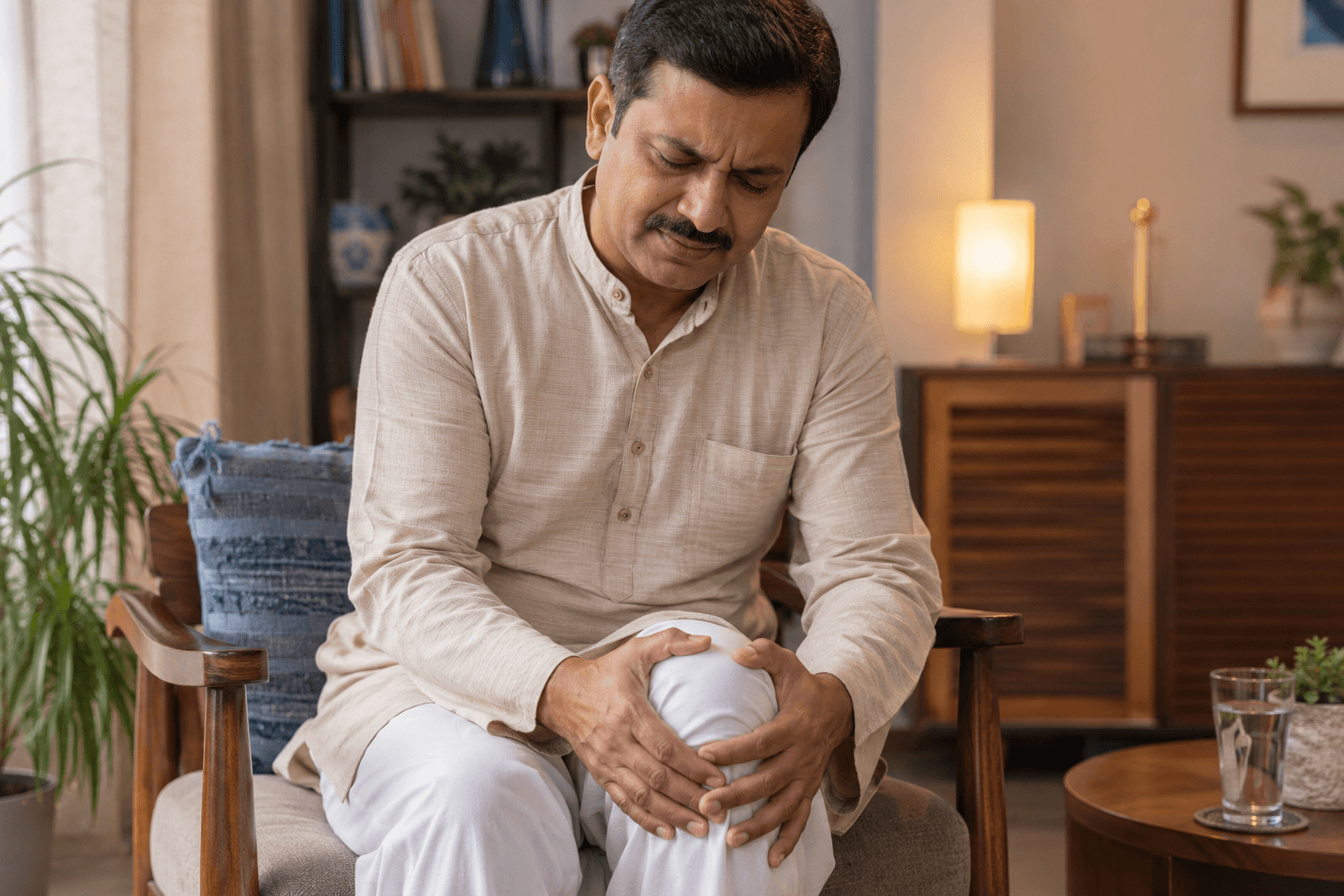
Most people describe a loud pop followed by immediate sharp pain, rapid swelling, and a sense that the knee has given way. The swelling usually develops within hours. In some cases the pain subsides quickly, which is why people underestimate the injury — the damage is still there even when the acute pain fades.
Grades of ACL injury
Grade 1 is a sprain — the ligament is stretched but intact. Grade 2 is a partial tear. Grade 3 is a complete rupture, where the ligament is fully torn and the knee is no longer stable. An MRI gives us the definitive picture and guides what treatment makes sense for your specific injury.
Non-surgical treatment: who it works for
Older, less active patients with a Grade 1 or partial Grade 2 injury may recover well with physiotherapy alone — strengthening the surrounding muscles compensates for the damaged ligament. If you do not play sports and your knee feels stable during daily activities, surgery may genuinely not be necessary.
ACL reconstruction: the surgical option
For complete tears in active individuals — especially those who want to return to sport — ACL reconstruction using arthroscopy is the standard approach. A graft (usually from the patient's own hamstring tendon) is used to replace the torn ligament. It is a keyhole procedure, meaning smaller incisions, less pain, and faster return to movement compared to open surgery.
Recovery timeline
Walking without crutches typically happens within 2 weeks. Return to light jogging at 3–4 months. Full return to sport — with proper clearance — at 9–12 months. Rushing this timeline is the most common reason for re-injury. Physiotherapy throughout this period is not optional; it is what determines how well the graft integrates and how stable the knee becomes.
“An ACL tear is not a career ending injury. I have had patients back on the cricket field within a year — and more importantly, back to their normal life in half that time.”
ACL reconstruction, arthroscopy, and sports injury management at Apex Orthopedic and Eye Hospital, Surat.